
Whip City Fiber Stars in Westfield Promo Vid

The City of Westfield in western Massachusetts recently launched a new marketing initiative designed to attract business and promote sustainable growth.

Fast, affordable Internet access for all.
The City of Westfield in western Massachusetts recently launched a new marketing initiative designed to attract business and promote sustainable growth.
Buried under Jackson, Mississippi’s streets are miles of untapped dark fiber. The city council and new mayor’s office hope to change that, and have made moves to relight the fiber optic cables and put Jackson on the path to become the next regional tech hub.

More than two years ago, community leaders in New Braunfels, Texas, decided to move forward with funding for a feasibility study to examine options for publicly owned Internet infrastructure.

While smaller communities in Maine are laying plans to develop community broadband networks for high-quality Internet access, the state’s third largest city indicated a shift in how they view fiber optic connectivity.
California
Sonic Disrupts Potrero Hill by Jacob Bourne, The Potrero View
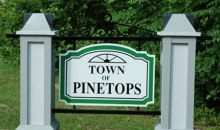
In North Carolina, no other rural community embodies the rural struggle for high-quality Internet access as well as Pinetops. At a recent hearing in D.C., one of the leading voices in Pinetops, Suzanne Coker Craig, testified before a legislative committee assembled to delve into the issue. During her short five minutes at the Communications and Technology Subcommittee of the House Energy and Commerce Committee, Coker Craig described her town's rescue by the local municipal network and subsequent betrayal by their state legislature.

In May of 2017 we congratulated Chattanooga’s EPB Fiber for exceeding 90,000 subscribers and contributing to lower power rates for all (Electric Power Board) EPB customers.

Residents of northern Arkansas will soon be able to obtain high-speed Internet access through their local electric cooperative. North Arkansas Electric Cooperative (NAEC) recently received approval from its Board of Directors to expand its residential broadband pilot program, NEXT, Powered by NAEC.
In June, the city of Fairlawn and the Medina County Fiber Network in Ohio recently announced that they would soon begin working together, which will expand FairlawnGig, the city's municipal network.
California

In the wake of the FCC’s 2017 decision to repeal federal network neutrality protections, more communities than ever are considering their role in local connectivity. As it turns out, their citizens are thinking about it, too.

In his recent article written for NBC News, journalist Phil McCausland examines the impacts broadband access can have on rural communities and the challenges that persist in bringing coverage to these isolated areas.

The City of Sanford, Maine, is putting the final pieces of funding in place to move forward with its ambitious 45-mile fiber optic build, SandfordNet, the largest fiber infrastructure build proposed in Maine to date.

Officials in Keene, New Hampshire, have been discussing ways to improve local connectivity for several years. In early July, they received more food for thought when the consultant they hired presented the results of a broadband study.
Death, taxes, and legislative drama are three of life’s certainties. Most recently, the drama unfolded in California as Democratic Sen. Scott Wiener has tried to pass state network neutrality protections after the FCC revoked federal law, leaving millions at the mercy of a broken market.
California
Internet Service Providers Pour $1 Million into California Assembly As Net Neutrality Debate Rages by Laura Curlin and Alec Saslow, MapLight
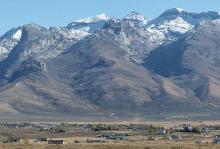
In as little as 18 months, the newly formed Pacific Rural Gas Cooperative (PRGC) plans to deliver natural gas and broadband to Spring Creek, Nevada, and to neighboring Lamoille shortly after.
Broadband Needed in Rural Nevada

The Connect America Fund provides annual federal funding to some of the largest telecommunications providers, but it can be hard for local officials to know where these dollars go.
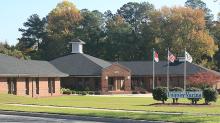
Ting Fiber has continued its expansion into two more U.S. metropolitan areas, lighting fiber up in a northern Idaho town and planting a flag in a city south of the research triangle in North Carolina.

On Independence Day, Americans celebrate the ingenuity, grit, and fortitude that led us to now. We’ve chosen this day to remember the decision to establish the United States as an independent country. Like other civilizations that have come and gone, America will always have times of honor and unbecoming moments in history, but its citizens have learned self-reliance — it’s in our DNA.